Most people detail their car when it is visibly dirty or smells bad. That is reactive. A proactive approach—matched to Chicagoland's specific climate—protects your investment, preserves resale value, and means your car never gets to the point where a basic wash is not enough.
Here is a season-by-season detailing schedule for Chicagoland drivers.
Recommended Detailing Frequency at a Glance
| Service | Recommended Frequency | Why |
|---|---|---|
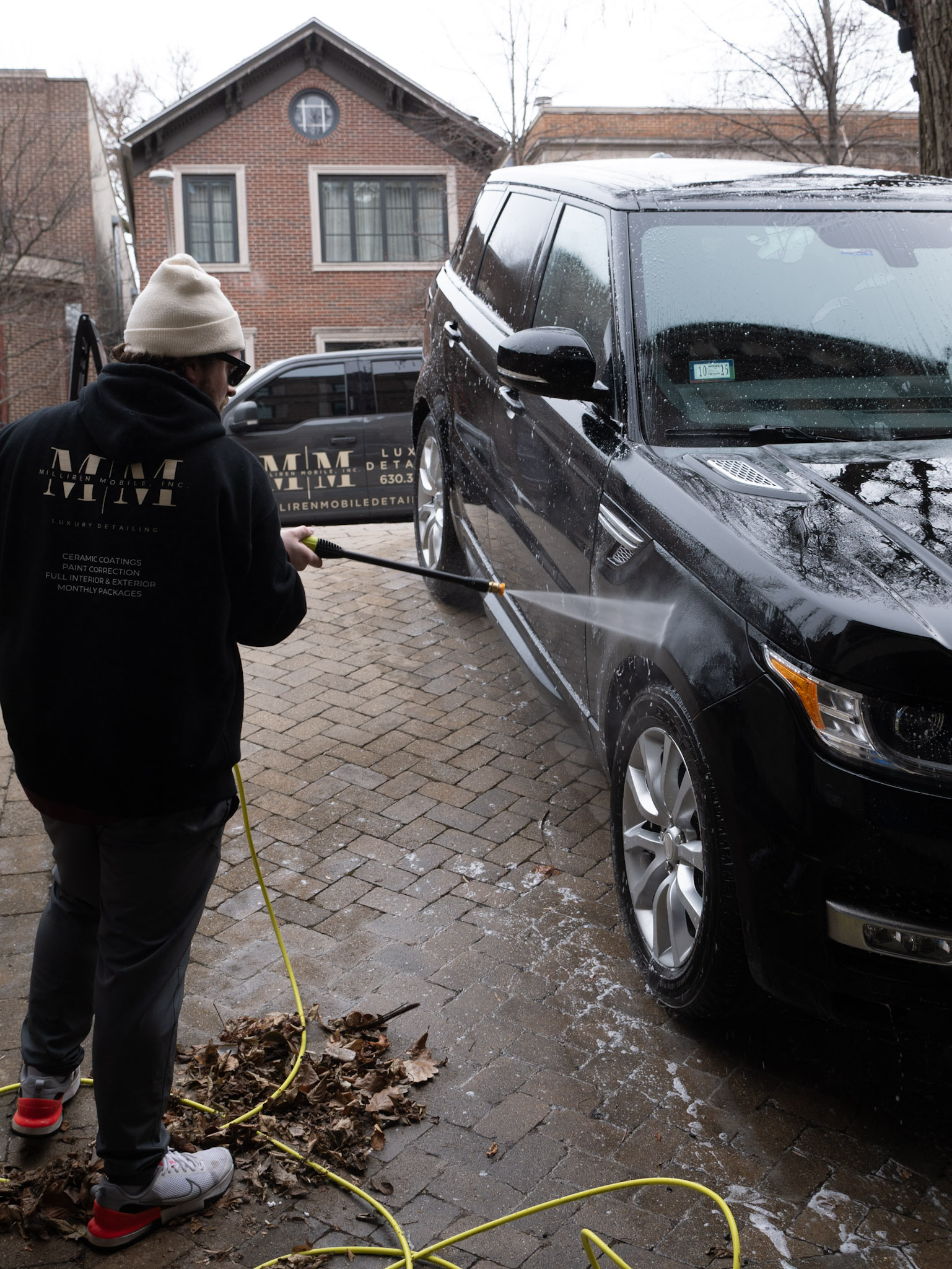
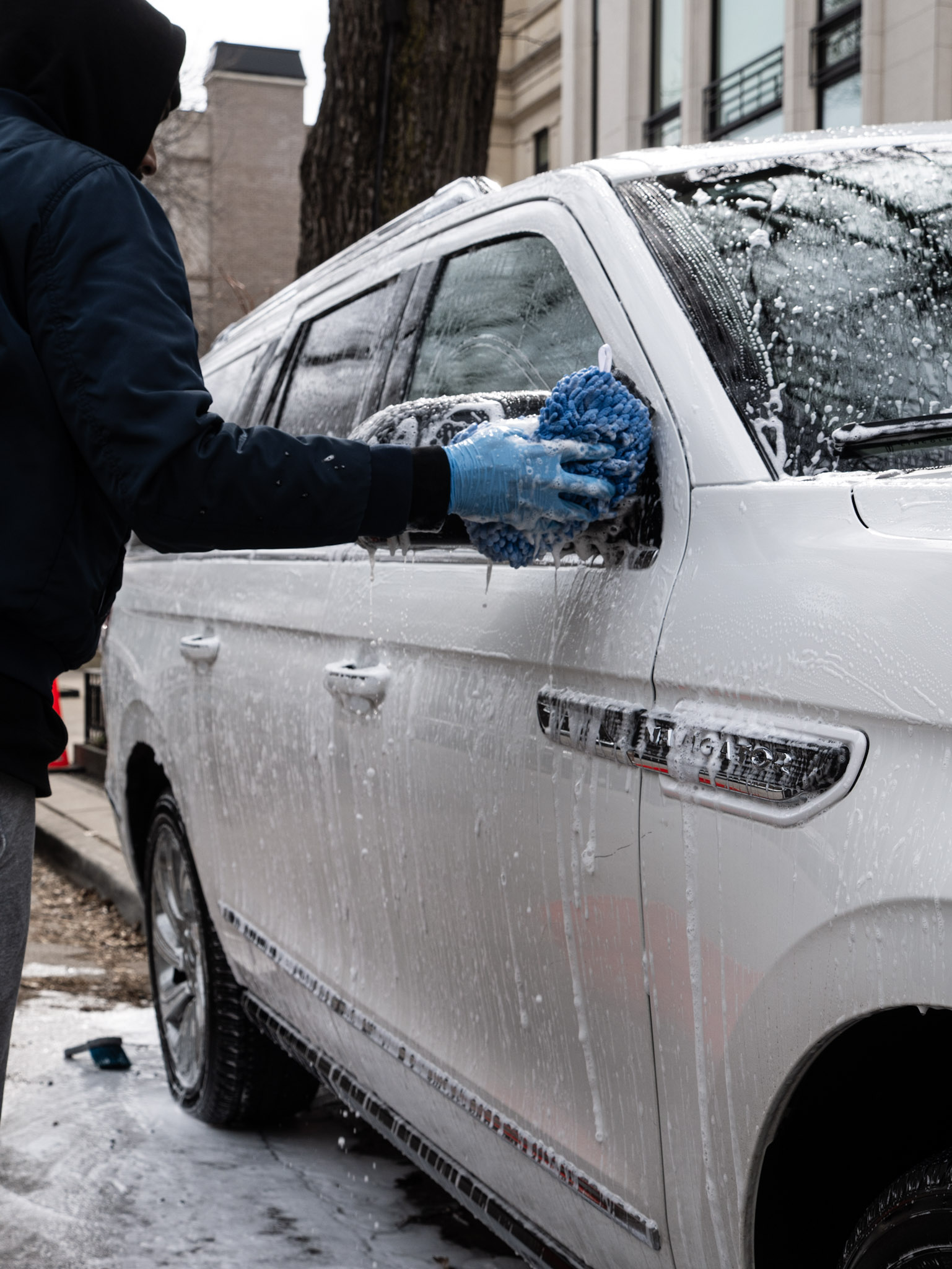
| Mobile Car Wash | Every 2–4 weeks | Remove salt, dirt, and contaminants before they bond to paint |
| Interior Detailing | Every 3–6 months | Deep clean before grime becomes embedded or odors develop |
| Paint Correction | Every 1–3 years (as needed) | Address swirl marks and oxidation before they worsen |
| Ceramic Coating | Once every 2–5 years | Long-term paint protection; dramatically reduces maintenance |
Winter: The Most Damaging Season for Paint
Chicagoland road salt starts going down in November and does not stop until March or April. Salt accelerates paint oxidation, corrodes metal, and degrades rubber seals. This is the season that does the most long-term damage to vehicles that are not properly protected or maintained.
What to do in winter:
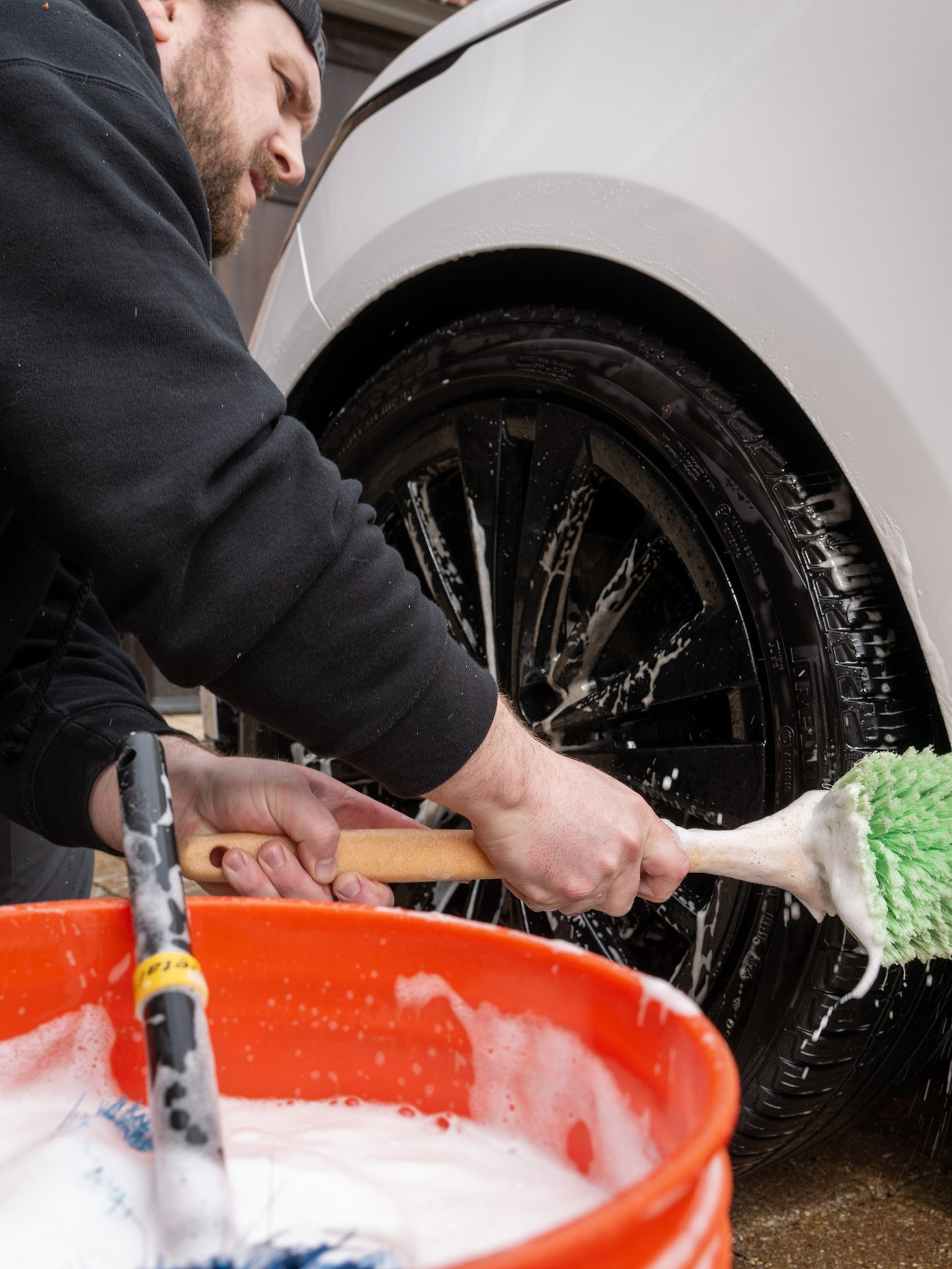
- Wash your car every 2 weeks or after every significant snowfall—salt sitting on paint for weeks causes real damage
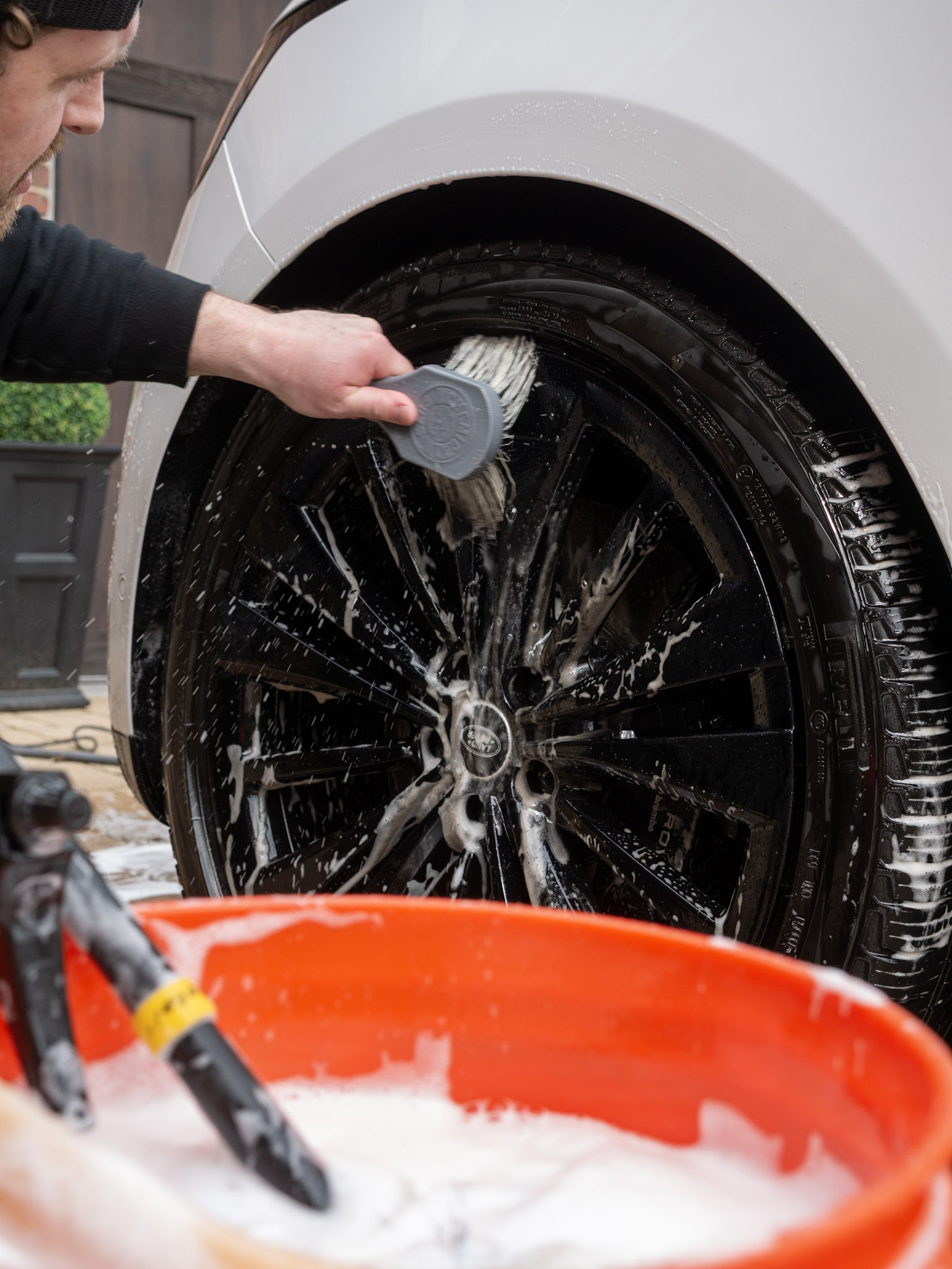
- Pay special attention to wheel wells, door jambs, and the underside of the vehicle where salt accumulates
- If you have a ceramic coating, maintenance washes are quick and effective because the hydrophobic surface repels salt and dirt
- Avoid automatic car washes with abrasive brush systems in winter—they inflict swirl marks in cold, brittle clear coat
Spring: Post-Winter Recovery
Spring is the time to assess winter damage and restore your vehicle. After months of salt exposure, most cars benefit from a thorough decontamination and detail.
Spring detailing checklist:
- Full exterior wash and clay bar decontamination to remove bonded salt and industrial fallout
- Inspect paint for oxidation, water spots, or areas where clear coat has dulled
- Interior detail—winter brings in more salt, mud, and moisture than any other season
- If the paint has visible swirl marks or has lost its gloss, spring is the best time to book a paint correction before summer
- Apply a fresh layer of paint protection (sealant or ceramic coating maintenance wash) before summer UV exposure
Summer: UV Exposure and Bird Droppings
Summer in Chicagoland brings intense UV radiation and heat—both of which degrade unprotected paint over time. UV causes clear coat to oxidize and fade, particularly on dark-colored vehicles and horizontal surfaces (hood, roof, trunk lid).
Bird droppings are also a summer hazard. Avian feces are highly acidic (pH 3.5–4.5) and can etch clear coat within hours on a hot surface. Remove bird droppings as soon as you notice them—do not wait for the next scheduled wash.
Summer maintenance:
- Continue monthly washes to remove tree sap, pollen, and bug splatter before they harden
- Address bird droppings and tree sap immediately—these will etch paint in summer heat
- An interior detail mid-summer keeps cabin surfaces clean and prevents UV damage to leather and vinyl
Fall: Pre-Winter Preparation
Fall is your window to prepare before winter salt season. Anything you apply now will protect your paint through the most damaging months of the year.
Fall preparation:
- Full exterior detail and decontamination to remove summer bug splatter, tar, and environmental fallout
- Apply or renew paint protection—if you do not have a ceramic coating, apply a quality paint sealant before November
- If you have been considering a ceramic coating, fall is an ideal time—the coating protects through your first Chicagoland winter immediately
- Interior detail before cold weather drives you into the car more frequently
Adjust for Your Vehicle Usage
The schedule above is a baseline. Adjust based on how you use your vehicle:
- Daily driver with kids or pets — Interior detail every 6–8 weeks. Pet hair, food, and spills compound quickly.
- Weekend or occasional driver — Interior detail twice per year. Monthly wash can be reduced to every 6 weeks if the car sits in a garage.
- Luxury or enthusiast vehicle — More frequent washes (every 1–2 weeks) and annual paint correction assessment to keep the finish in show condition.
- Leased vehicle — Interior detail before turn-in. Exterior detail and touch-up to avoid excessive wear charges.
Signs You Need a Detail Now
Do not wait for the calendar if you notice any of these:
- Visible swirl marks or scratches in direct sunlight
- Paint looks dull or hazy rather than glossy
- Water no longer beads on the surface (protection has degraded)
- Odors inside the car that do not go away after airing it out
- Stains in carpet or upholstery that are setting in
- Sticky or tacky interior surfaces (product buildup or degraded interior dressing)
How a Recurring Maintenance Plan Helps
One of the biggest obstacles to consistent detailing is scheduling. A recurring maintenance package from Milliren Mobile Detailing puts it on autopilot—we schedule regular visits at a frequency that works for you (weekly, bi-weekly, or monthly) at a discounted rate. Regular customers save up to 20% off their total detail and never have to think about booking.
We serve all of Chicagoland's western suburbs including Naperville, Downers Grove, Elmhurst, Glen Ellyn, and more. Get in touch to set up a recurring schedule.
Frequently Asked Questions
Is it bad to wash your car too often?
No—but technique matters. Too-frequent washing with improper methods (automatic tunnel washes, wrong soap) can cause swirl marks. Hand washing with proper technique every 1–2 weeks is fine and beneficial for paint. More frequent washing is always better than letting salt or contaminants sit on paint.
How do I know if my car needs paint correction?
Inspect your paint in direct sunlight or under a bright light. If you see a spider web pattern of fine circular scratches (swirl marks), hazy areas, or dull spots, paint correction is needed. Paint correction removes these defects by machine polishing the clear coat.
How long does a car detail last?
An interior detail stays cleaner for 1–3 months with normal use before visible grime returns. An exterior detail (wash plus protection) lasts as long as the protection applied—days for a basic wash, months for sealant, years for ceramic coating.
Can I just go through a car wash instead?
Automated car washes with brush systems cause swirl marks in your paint over time—particularly damaging in cold weather when clear coat is more brittle. Touchless automated washes are less damaging but use harsh chemicals that strip paint protection quickly. Neither replaces the thoroughness of a hand wash or detail.